
Root canal treatment rescues a diseased tooth by extracting the damaged portion inside the tooth and sealing it. This frequent procedure allows you to keep your natural tooth instead of having it pulled while stopping the pain. A dentist can restore the function and health of the bite by cleaning the inner chambers.
Why Do You Need a Root Canal?
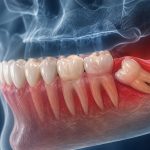
When a tooth becomes deeply decayed or injured, bacteria can reach the soft centre known as the pulp. If you are looking for root canal therapy near you, it is usually because this area has become inflamed or infected. Saving the natural tooth is always the preferred option because it maintains your jaw structure and keeps your smile looking authentic.
What Exactly Is a Dental Pulp Infection?
Inside every tooth is a collection of blood vessels and nerves that help it grow when you are young. Once a tooth is fully formed, it can survive without this tissue. When a dental pulp infection treatment becomes necessary, it is because these internal tissues have died due to trauma or deep cavities. Without help, the infection can spread to the bone.
Recognizing the Signs of a Sick Tooth
Most people realize something is wrong when they feel a sharp, lingering pain while eating. You might also notice that your gums are swollen or that the tooth has changed colour. Seeking a tooth infection treatment early can prevent the need for an emergency extraction and stop the discomfort from getting worse.
Common Symptoms to Watch For:
- Extreme sensitivity to hot or cold drinks.
- Pain when applying pressure or chewing.
- A small bump on the gums near the painful tooth.
- Darkening or discoloration of the tooth enamel.
How Does the Procedure Work?
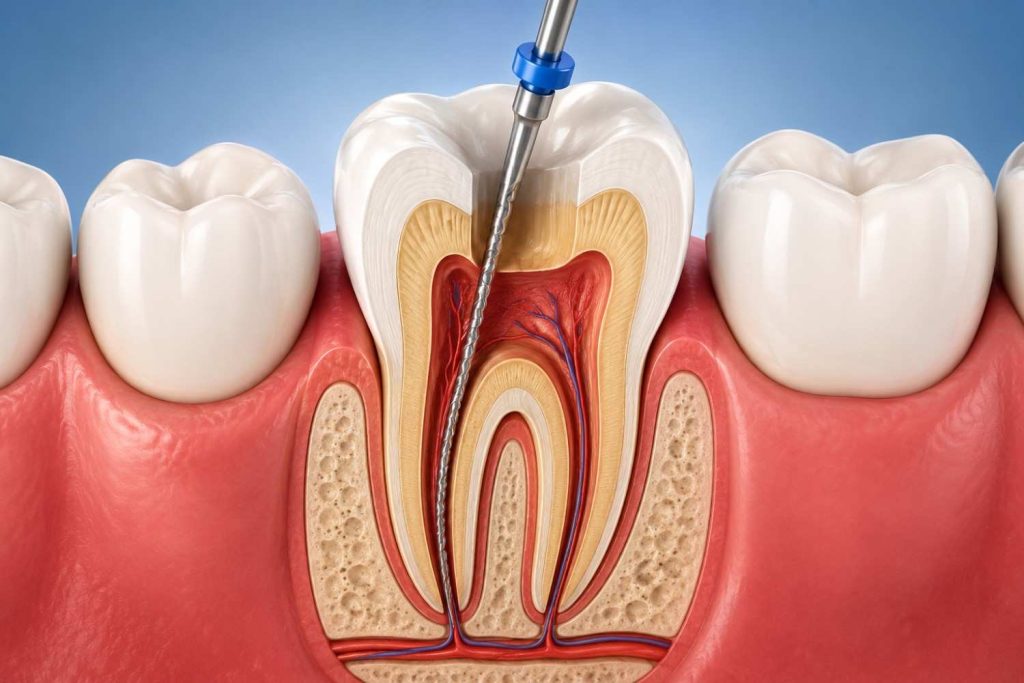
Many patients feel nervous about this process, but a root canal procedure explained shows there is nothing to fear. The dentist first ensures the area is completely numb so you do not feel any pain. Then, they create a small opening to access the damaged interior and begin the cleaning process.
A Step-by-Step Breakdown
| Step | Action Taken |
| Numbing | Local anesthesia is applied to ensure total comfort. |
| Cleaning | The damaged pulp is carefully removed from the canals. |
| Disinfecting | The empty space is washed to kill any remaining bacteria. |
| Filling | A rubber-like material fills the canals to seal them. |
| Restoring | A temporary or permanent filling closes the opening. |
Keeping Your Natural Tooth Healthy
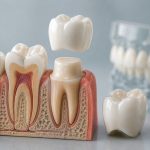
After the interior is cleaned, the tooth needs to be strengthened. This is why a root canal for infected tooth cases often ends with the placement of a dental crown. The crown acts like a protective helmet, allowing you to chew and bite with full force without worrying about the tooth cracking.
Why You Shouldn’t Wait for Care
Ignoring a toothache can lead to an abscess, which is a pocket of pus that forms at the root. Getting root canal therapy in Macleod quickly ensures that the infection does not enter your bloodstream. Prompt action saves your smile and protects your overall physical health from the risks of spreading bacteria.
Finding Local Expertise
It is important to choose a dentist in Macleod who focuses on patient comfort and uses modern technology. Suppose you need a dental team that prioritizes gentle care and clear communication. Understanding your options helps you feel more at ease during your visit.
Your Path to a Pain-Free Smile
Choosing to save your tooth is an investment in your future health. A root canal is a routine, highly successful way to eliminate pain and keep your natural teeth for a lifetime. By removing the source of the infection, you stop the cycle of discomfort and regain the ability to enjoy your favourite foods.
At Macleod Dental Choice, we are committed to providing a calm and supportive environment for all your dental needs. Our team understands that dental visits can be stressful, so we focus on gentle techniques to help you feel relaxed. We are here to help you maintain a healthy, bright smile through expert care and personalized attention.
To learn more about how we can help your smile, please reach out to us.
Frequently Asked Questions
Does a root canal cause pain?
Modern techniques and numbing agents make the process very similar to getting a standard filling. Most patients feel immediate relief from their original toothache once the procedure is finished.
How long does the treatment take?
Most sessions are completed in one or two visits, usually lasting between 60 and 90 minutes. The timing depends on how many canals the tooth has and the extent of the infection.
Can I go back to work the same day?
Yes, most people return to their normal routines right away. Your mouth will feel numb for a few hours, so it is best to wait until the feeling returns before eating.
What happens if I don’t get the treatment?
The infection will likely get worse and may cause the tooth to fall out or require an extraction. It can also lead to more serious health issues if the bacteria spread to other parts of the body.