
Is wisdom tooth removal one of the most painful dental procedures? Many people often worry about this, especially when they feel pain, pressure, or swelling at the back of the mouth. If you are looking for a dentist near you, it usually means you want simple, clear information about pain, safety, and what happens during and after treatment.
In most cases, the fear of pain is much stronger than the experience of pain. Modern dental care uses effective pain control methods to make the procedure safe, controlled, and as comfortable as possible for patients.
Why Do Patients Think Wisdom Tooth Removal Is Very Painful?
This fear is usually based on stories, assumptions, or anxiety rather than real experience.
Common reasons include:
- Hearing negative experiences from others
- Fear of dental tools or surgery
- Delaying treatment until the pain becomes worse
- Anxiety increases sensitivity to discomfort.
When a tooth already hurts before removal, it often feels like the procedure itself will be worse than it actually is.
What Happens During Wisdom Tooth Removal?
The procedure is planned to reduce pain and keep you comfortable.
Step-by-step process:
- The dentist first numbs the area with local anesthesia so you do not feel pain.
- The tooth is then gently loosened and carefully removed.
- Pressure may be felt, but sharp pain is usually not present.
- The procedure is carefully monitored throughout
In some cases, sedation may be used for patients who feel anxious.
Is Wisdom Tooth Removal Really the Most Painful Surgery?
In most cases, wisdom tooth removal near you is not particularly painful because the area is well numbed with anesthesia.
Pain experience:
- During the procedure: Little to no pain because the area is fully numb.
- After procedure: mild to moderate soreness for a few days
- Recovery: generally shorter than major surgical procedures
Any discomfort after removal is temporary and improves as healing progresses.
What Affects Pain After Wisdom Tooth Removal?
Pain levels can vary depending on the situation.
Key factors include:
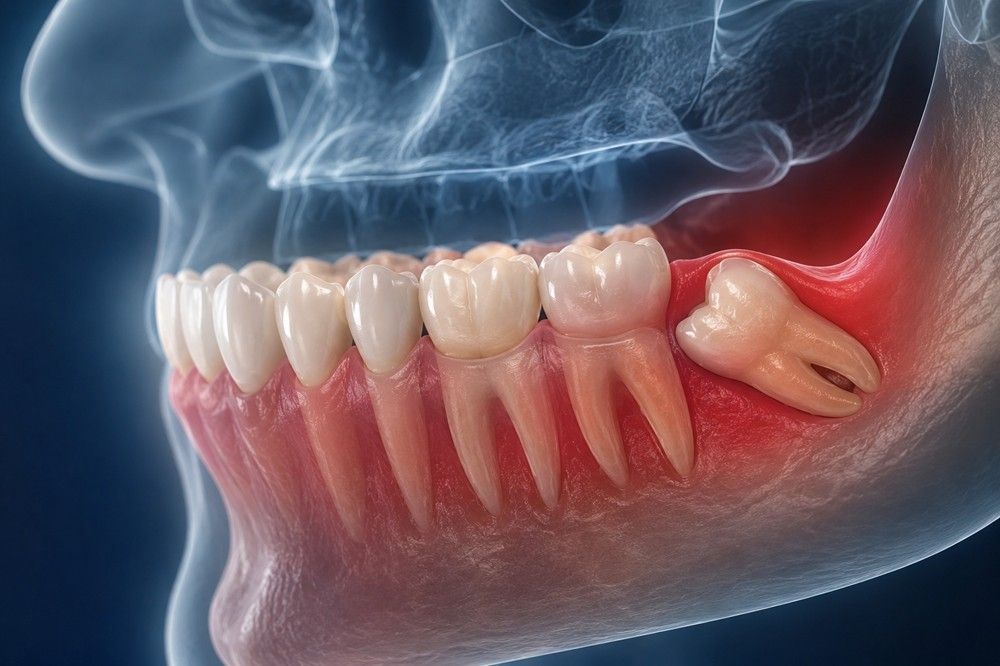
- Position of the wisdom tooth (simple or impacted)
- Difficulty of the extraction
- Individual pain sensitivity
- Presence of infection before treatment
- Following aftercare instructions
Some cases may feel slightly more uncomfortable, but recovery improves steadily.
Recovery After Wisdom Tooth Removal
Healing is an important part of the process. Mild swelling and soreness in the first few days are normal.
Typical recovery timeline:
- First 24 hours: rest and mild swelling are common
- 2–3 days: the area may feel a little more sore, then it starts getting better
- 3–5 days: most people feel much better
- 1 week: healing improves a lot in many cases
Simple recovery care:
- Eat soft foods like yogurt, soup, and mashed foods.
- Do not use a straw for a few days.
- Rinse your mouth gently as the dentist advises
- Take your medicines on time as prescribed.
- Use a cold pack to help reduce swelling.
When Do Wisdom Teeth Need Removal?
Wisdom teeth are not always removed immediately. A dental evaluation is needed to decide the right time.
Common reasons include:
- Pain or pressure in the back of the mouth
- Swelling or gum irritation
- Food is getting trapped frequently.
- Difficulty cleaning the area
- Crowding of nearby teeth
Early evaluation helps prevent future complications.
Is the Fear of Pain Greater Than Reality?
In many cases, yes. Anxiety often makes the procedure seem more painful than it actually is.
With modern anesthesia and techniques, most patients feel only pressure during treatment. Recovery may involve mild soreness, but it is temporary and manageable.
Take the Next Step Toward Comfortable Wisdom Tooth Care!
Wisdom tooth removal is usually more manageable than most people expect. With proper care, timely treatment, and the right guidance, discomfort stays temporary, and healing improves gradually over time. If wisdom teeth are causing pain, swelling, or repeated discomfort, getting them checked early can help avoid more complex problems later. Book a consultation with Macleod Dental Choice today to receive a clear diagnosis and a comfortable treatment plan tailored to your needs.
FAQs
Does wisdom tooth removal hurt during the procedure?
No. The dentist gives local anesthesia to numb the area, so you do not feel sharp pain during the treatment. You may feel a little pressure or movement, but it is usually light and easy to manage.
How long does recovery discomfort last?
Most patients start feeling better within 3 to 5 days. Mild soreness or stiffness may continue slightly longer, depending on the complexity of the extraction.
Is wisdom tooth removal the most painful surgery?
No. It is usually not considered the most painful surgery because the dentist controls the pain during the procedure. After treatment, any discomfort is temporary and gradually improves.
What helps reduce discomfort after removal?
Resting well, eating soft foods, using a cold compress, keeping your mouth clean, and taking the medicines the dentist prescribed can help reduce pain and make healing easier.