Both veneers and bonding improve the look of your teeth. They fix chips, cracks, gaps, stains, and uneven shapes. But they work in very different ways. Understanding the differences between veneers and bonding helps you choose the right option for your smile and your budget.
Neither one is better than the other. The right choice depends entirely on your specific needs.
What Is Dental Bonding?
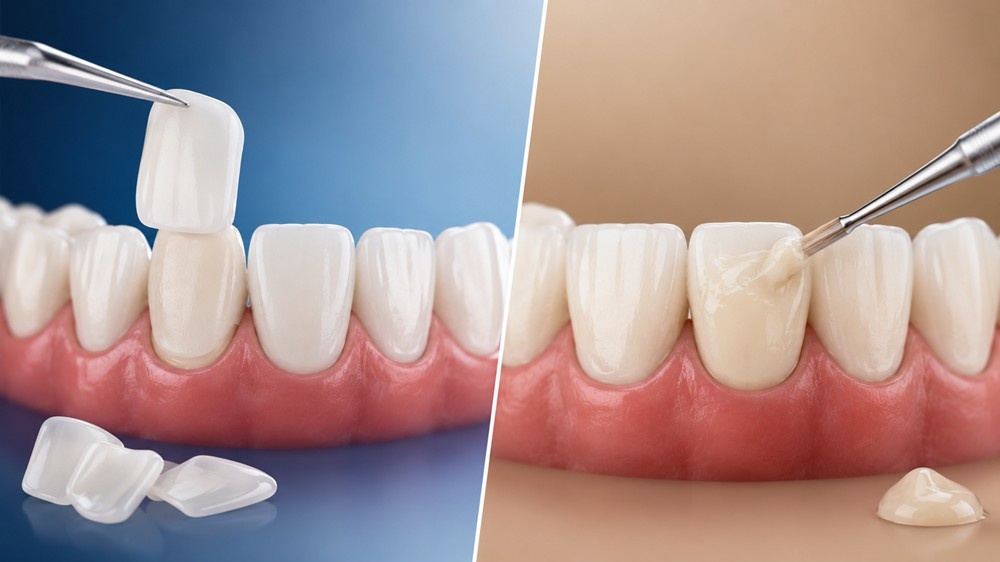
Dental bonding is a simple, quick treatment. A tooth-coloured resin material is applied directly onto the tooth. The dentist shapes it by hand and then hardens it using a special light.
The whole process usually takes 30 to 60 minutes per tooth. No moulds are needed. No laboratory work is involved. Everything is done in a single visit.
If you are looking for dental bonding near you, it is worth knowing that bonding requires very little removal of your natural tooth enamel. In many cases, none at all.
What Are Veneers?
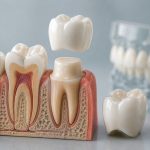
Veneers are thin shells. They are custom-made in a dental laboratory and bonded to the front surface of your teeth.
Most veneers are made from porcelain. Some are made from composite resin, which is the same material used in bonding.
Porcelain veneers usually take two visits. At the first visit, a small amount of enamel is removed to make room for the veneer. A mould is taken and sent to the lab. A temporary veneer is placed in the meantime. At the second visit, the permanent veneer is bonded onto the tooth.
If you are searching for cosmetic veneers near you are usually looking for a long-term solution to multiple cosmetic concerns at once.
Key Differences Between the Two
|
Feature |
Dental Bonding |
Porcelain Veneers |
|
Treatment time |
One visit | Two visits |
|
Enamel removal |
Little to none |
A small amount is required |
|
Material |
Composite resin |
Porcelain or composite |
|
Lifespan |
3 to 7 years |
10 to 15 years or more |
|
Cost |
Lower |
Higher |
|
Stain resistance |
Moderate |
High |
|
Repair |
Easy to repair |
Harder to repair |
| Best for | Minor fixes |
Bigger cosmetic changes |
When Is Bonding the Better Choice?
Bonding works very well for:
- Small chips or cracks on one or two teeth
- Closing a minor gap between teeth
- Covering a slightly discoloured tooth
- Reshaping a tooth that is too short or uneven
- Patients who want a quick, affordable fix
Because it is reversible and gentle on enamel, bonding is often a great starting point for younger patients or anyone not yet ready for a more permanent option.
When Are Veneers the Better Choice?
Veneers are a stronger option when:
- Several teeth need improvement at the same time
- Staining is too deep for bonding to cover
- You want a longer-lasting result
- The shape or size of teeth needs a more significant change
- You want a result that resists staining from coffee, tea, or wine
Porcelain veneers are highly polished and stain-resistant. They hold their colour and shape for many years with proper care.
Visiting a dental clinic near you for a cosmetic consultation helps you understand which treatment suits your teeth, your lifestyle, and your goals.
What Do Both Treatments Have in Common?
Even though they are different, bonding and veneers share several things:
- Both improve the appearance of your smile significantly
- Both use tooth-coloured materials that blend naturally
- Both require good oral hygiene to last well
- Both are performed by a dentist in a comfortable setting
- Neither treatment straightens teeth—if alignment is the concern, orthodontics may also be needed
The dental clinic offers both bonding and veneer treatments and can help you understand which one gives you the best outcome based on your individual situation.
The Choice Comes Down to Your Smile Goals
If you are looking for a simple and inexpensive quick fix for a small problem, bonding may be ideal. If you are looking for a major overall smile makeover and can commit to a longer-term investment, veneers may be more suitable for you.
Both options look completely natural. Both are safe and well-established treatments. And both can make a noticeable difference in how you feel about your smile.
The best next step is a conversation with your dentist.
Your Best Smile Is One Step Away
Whether bonding or veneers is the right fit for you, professional advice makes all the difference.
At Macleod Dental Choice, the team takes the time to understand your smile goals and explain every option clearly, so you always feel confident in your decision. If you are ready to explore what cosmetic dentistry can do for your smile, reach out to us today. A smile you feel great about is closer than you think.
Frequently Asked Questions
Q1. Do dental bonding and veneers hurt?
Neither procedure is painful. For bonding, you will seldom need any anesthetic at all. For veneers, some localized numbing may be used while we prepare your tooth’s enamel.
Q2. Is the bonding a same-day treatment?
Yes. Bonding is completed in a single appointment and requires no lab work, making it one of the fastest cosmetic dental treatments available.
Q3. Will veneers or bonding look fake?
No. Both are designed to match your natural tooth colour and blend in seamlessly with the rest of your smile.
Q4. Can I get bonding first and switch to veneers later?
Yes. Bonding is a good temporary or starter option, and switching to veneers later is entirely possible with your dentist’s guidance.