
How do digital X-rays and intraoral scans help dentists find dental problems? Dental technology has improved a lot in recent years. One major change is the use of digital X-rays and intraoral scans in Macleod to check teeth and gums. These modern tools help dentists find problems that may not be visible during a regular visual exam.
Digital X-rays create clear images of teeth, roots, and bones within seconds. This allows dentists to detect cavities, infections, and bone loss earlier. Understanding the benefits of using digital dental x-rays helps patients see why this modern technology plays an important role in preventive dental care.
What Are Digital Dental X-Rays?
Digital dental X-rays are electronic images that show the inside of the teeth and jaw. Instead of traditional film, these X-rays use digital sensors to capture detailed pictures.
Many patients search for digital X-rays and intraoral scans near you because they offer a quicker and more comfortable experience during dental visits.
These images help dentists identify problems such as:
- Tooth decay between teeth
- Gum disease and bone loss
- Infections near the root of a tooth
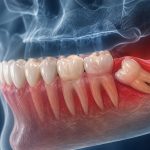
- Impacted teeth
- Changes in jaw structure
With digital imaging, dentists can diagnose dental issues earlier and provide timely treatment.
Why Digital Imaging is Important in Dentistry
Many dental problems begin in areas that cannot be seen with the eyes alone. X-rays allow dentists to look below the surface of the teeth and gums.
The advantages of digital X-rays in dentistry include faster diagnosis and improved accuracy. This helps prevent small issues from becoming serious dental problems.
Digital images also allow dentists to monitor changes in your oral health over time.
Benefits of Using Digital Dental X-Rays
Modern digital imaging provides several advantages compared to older film-based systems.
- Faster image results: Digital X-rays appear on a screen almost instantly. Dentists can review the image immediately and explain the results to the patient.
- Clear and detailed images: Digital dental X-rays create clear pictures of your teeth. These images help dentists find small cavities or infections early.
- Lower radiation: Digital X-rays use less radiation than traditional X-rays. This makes them safer for patients.
- Easy to store images: The images are saved on a computer. Dentists can easily look at past and current images to check changes in your oral health.
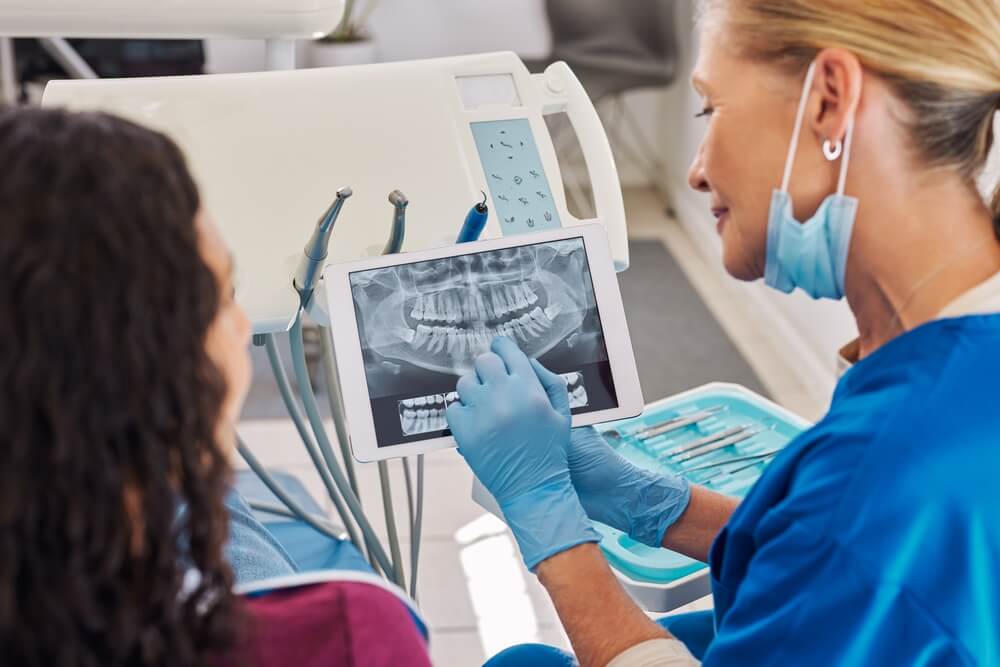
- Better patient communication: Dentists can show the images on a screen and explain what they see. This helps patients understand their dental condition and treatment options.
What Are Intraoral Scans?
Intraoral scans are digital images created using a small handheld scanner. This device captures a 3D picture of the teeth and gums.
Patients visiting a dentist in Macleod may experience this technology during treatments such as crowns, aligners, or dental implants.
Intraoral scans help dentists:
- Create accurate digital models of teeth.
- Plan dental treatments more precisely.
- Avoid messy impression materials.
- Improve comfort during dental visits.
These scans work together with digital X-rays to provide a complete view of oral health.
How Digital X-Rays Improve Dental Treatment
Digital imaging helps dentists make more informed decisions about dental care. The technology allows them to identify issues earlier and choose the right treatment.
Patients looking for digital X-rays and intraoral scans near you often benefit from more efficient dental visits.
Ways Digital X-Rays Support Better Care
- Early detection of cavities
- Improved diagnosis of gum disease
- Accurate monitoring of tooth development
- Better planning for dental restorations
- Quick evaluation of dental pain
These advantages help ensure patients receive timely and effective dental care.
When Are Dental X-Rays Needed?
Dental X-rays are not taken during every visit, but they are recommended when dentists need more information about your oral health.
The advantages of digital X-rays in dentistry make them useful in many situations.
Dentists may recommend X-rays to:
- Detect cavities between teeth.
- Check the health of the tooth roots.
- Monitor developing teeth in children.
- Evaluate bone levels around teeth.
- Diagnose dental pain or infection.
These images help dentists identify hidden problems before they worsen.
Are Digital Dental X-Rays Safe?
Yes. Digital dental X-rays are considered safe for most patients. Modern technology uses very small amounts of radiation while still producing clear images.
Protective measures such as lead aprons may also be used to increase safety.
Patients visiting a dentist in Macleod can feel confident that digital imaging is designed to provide accurate information while minimizing exposure.
Experience Advanced Dental Technology for Better Care!
Modern dental technology helps dentists detect problems earlier and provide more precise treatment. Digital X-rays and intraoral scans make dental visits faster, safer, and more comfortable for patients.
At dental clinic near you, advanced digital imaging tools are used to carefully examine your teeth and gums and support precise treatment planning. Schedule your appointment today to experience modern dental care focused on protecting and maintaining your healthy smile.
FAQs
Do digital X-rays hurt?
No. Digital X-rays are quick and painless. A small sensor is placed in the mouth for a few seconds to capture the image.
Are digital X-rays superior to the old ones?
Certainly, digital X-rays offer clearer visuals, quicker feedback and higher safety than classical film X-rays.
Can digital X-rays detect cavities early?
Certainly! These images help to spot small cavities before they become problems for the dentist.
Why do dentists recommend intraoral scans?
Intraoral scans create accurate 3D images of teeth. These scans help dentists plan treatments such as crowns, aligners, and other restorations.